Original and aftermarket routes can both be useful. The right decision depends on application risk, technical evidence, lifecycle cost and supply urgency.
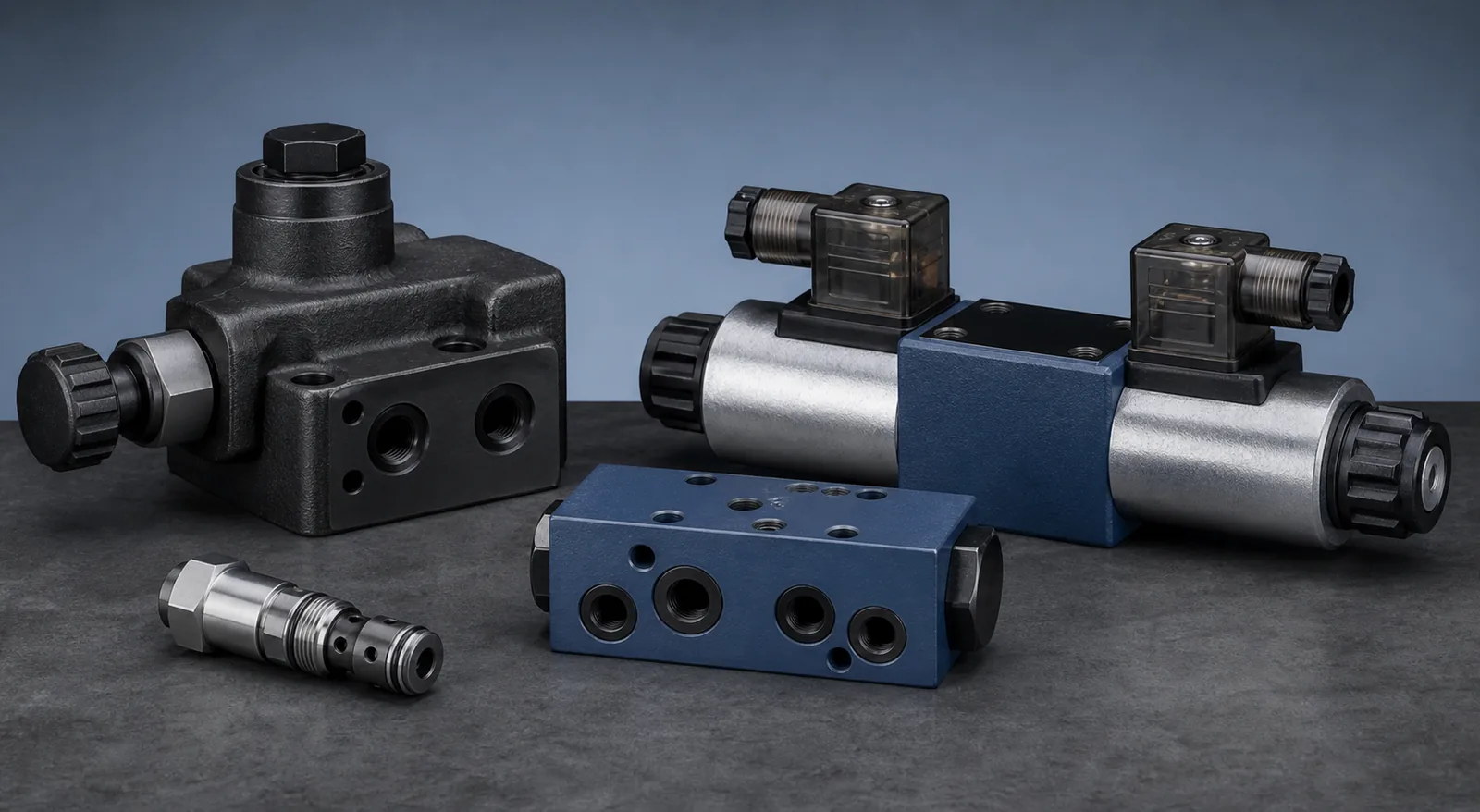
Send the original reference: Include the complete model code, quantity, destination and available photos or drawings.
Original route
- Manufacturer-controlled specification and traceability
- Often preferred for safety-critical or warranty-sensitive equipment
- May involve higher price or longer lead time
- Availability can be difficult for obsolete models
Aftermarket route
- Potential cost and lead-time advantages
- Multiple quality levels and data maturity
- Requires careful parameter and supplier review
- Sampling or commissioning may be appropriate
Decision factors
- System criticality and failure consequence
- Availability of complete technical data
- Supplier history and inspection evidence
- Customer ability to validate the alternative
- Total downtime and replacement cost
Route comparison
| Decision area | Original route | Independent aftermarket route |
|---|---|---|
| Identity and traceability | Manufacturer documentation and channel evidence should be requested | Manufacturer identity, model basis and supplier records must be stated |
| Compatibility basis | Complete original code still needs confirmation | Line-by-line function, rating and interface comparison is essential |
| Commercial advantage | May protect standardization and reduce approval effort | May improve price, availability or obsolete-part access |
| Validation effort | Usually lower when the exact authorized product is confirmed | Depends on evidence quality, consequence and size of the change |
| Best use case | High criticality, warranty-sensitive or tightly controlled equipment | Documented, reviewable applications with an acceptance path |
Claims the quotation should separate
- Original product, independently manufactured compatible option and functional alternative are different supply routes.
- “In stock” should refer to the exact model and checked quantity, not a generic product family.
- “Direct replacement” requires the relevant functional, hydraulic, electrical and mechanical evidence.
- Warranty scope should identify the supplied product, term, exclusions and required claim evidence.
Do not treat a brand name in a page title, supplier message or marketplace listing as proof of authorization or origin.
Related Product, Series & Technical Pages
Detailed sourcing routes
Compare evidence, risk, lead time and approval ownership.
Open related page →Trust and verification
Review how identity, compatibility and commercial claims are separated.
Open related page →Order-specific evidence
Define inspection and documentation before purchase.
Open related page →