An obsolete code is not solved by searching the short series name. The job is to reconstruct the installed function and interfaces, then decide whether an original surplus, service part, direct-fit product or engineered change is supportable.
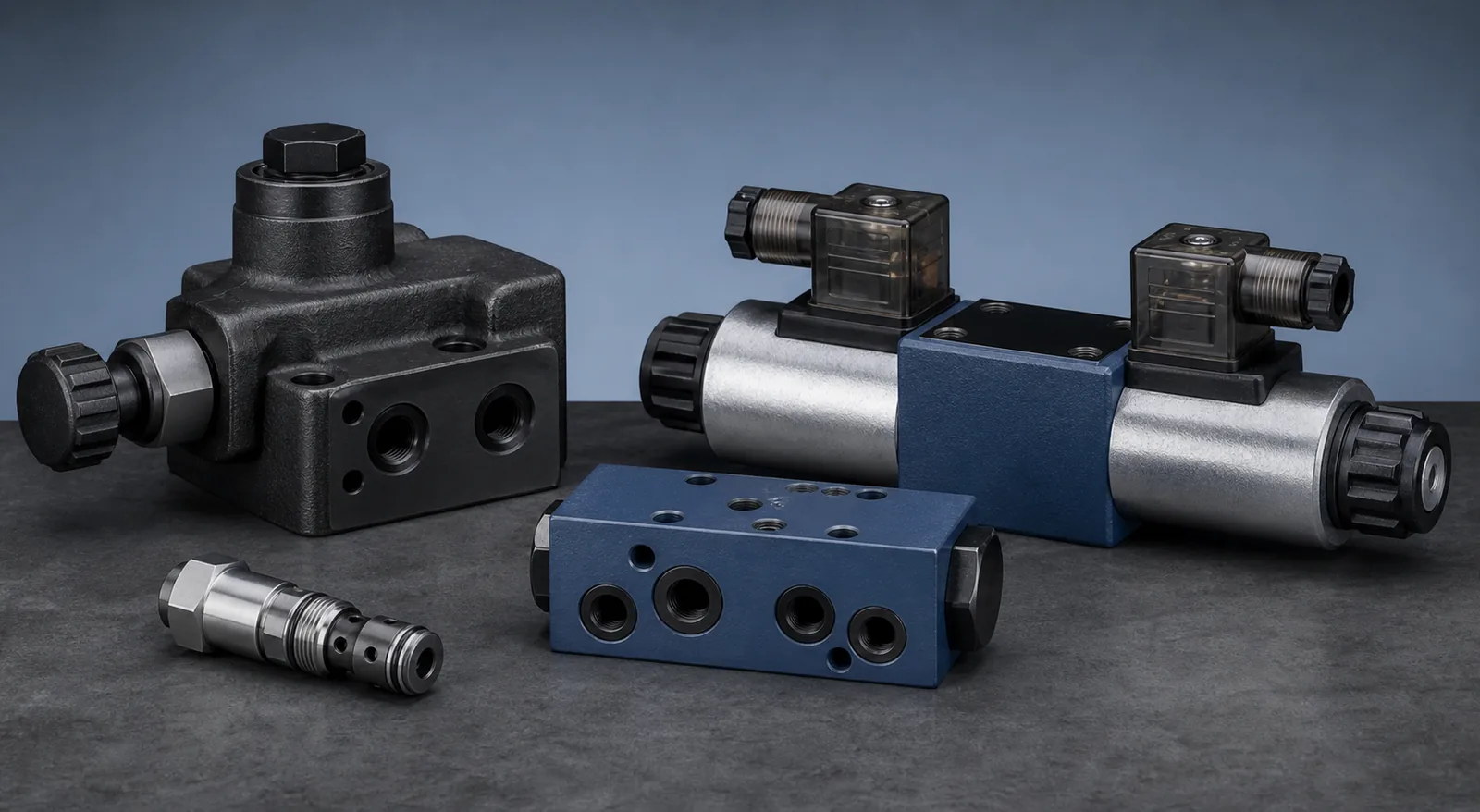
Have only an old nameplate or partial code?: Upload all visible markings and installation photos. We will identify the missing evidence before treating any match as quote-ready.
Preserve the original evidence
- Photograph the complete nameplate before cleaning or dismantling
- Record every line of the code, including faint suffixes
- Keep the machine model, serial range and hydraulic schematic
- Photograph connectors, ports, mounting faces, shafts and control hardware
- Retain the failed unit until the replacement route is approved
Separate identity from required function
| Evidence layer | Question it answers | Common failure |
|---|---|---|
| Original code | What was supplied originally? | Suffix omitted or code transcribed incorrectly |
| Installed interfaces | What must physically and electrically connect? | Port, shaft or connector assumed from family name |
| Application conditions | What must the unit do in this machine? | Pressure, flow, speed or control behavior missing |
| Change tolerance | Can the machine accept modification? | Functional alternative treated as direct fit |
Possible supply outcomes
- Documented original-product route
- Unused or traceable surplus route with condition review
- Independent product after complete interface review
- Repair kit or component-level restoration
- Functional alternative requiring approved changes
- No-quote decision when evidence or safety margin is insufficient
Legacy-code risk controls
- Compare catalog generation and design revision
- Do not assume supersession means direct interchangeability
- Check old and new electrical standards
- Verify seals against current fluid and temperature
- Use sample installation for high-value or uncertain configurations
RFQ evidence checklist
- Brand, complete code and any order number
- Machine make, model, year and serial range
- Failure symptom and urgency
- Nameplate and six-side product photographs
- Pressure, flow, voltage, speed or displacement
- Whether installation changes are permitted