A cylinder that creeps under load usually has leakage somewhere in the circuit. Finding where—not replacing the cylinder first—is the faster repair.
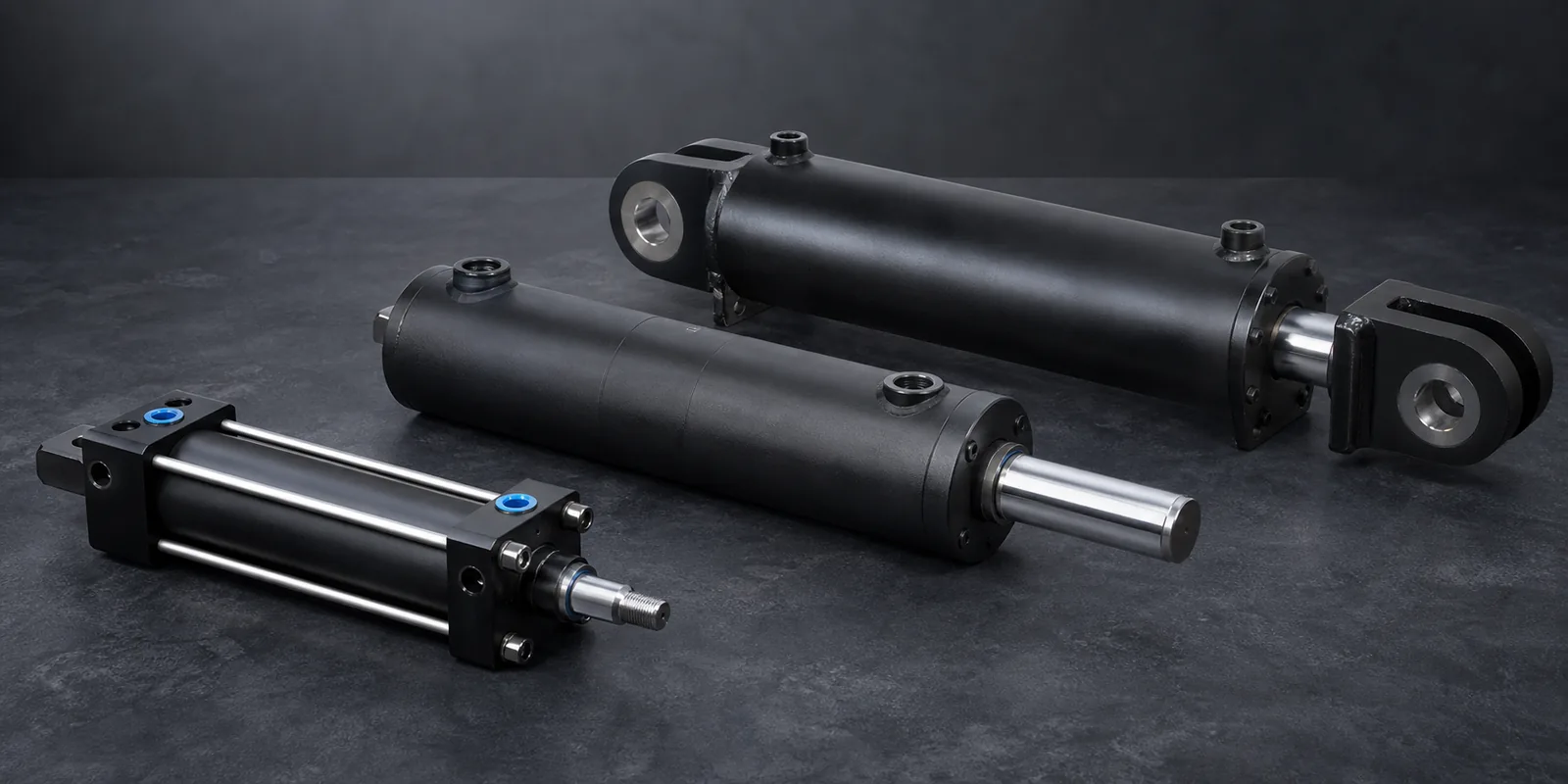
Send a hydraulic component for review: Include the complete model code, quantity, destination and available photos or drawings.
Where drift comes from
- Internal leakage past the piston seals
- Leakage past the directional or check valve spool/seat
- Changing external load acting on the cylinder
- A load-holding valve that no longer seats fully
- Air or compliance in the line allowing slow movement
Diagnosis order
- Isolate the cylinder from the valve with a blocking valve to separate causes
- Check the rod end for oil weep that indicates internal seal leakage
- Measure pressure decay on each port with gauges
- Test the valve spool/seat leakage against the manufacturer method
- Repeat the test at operating temperature
Repair decisions
- Record the cylinder series and complete model code before ordering seals
- Confirm seal material, hardness and kit scope with the application
- Replacement is justified only after the leak path is confirmed
- Keep the test record so the repair can be verified